Five-day professional programmes in 14 citiesClassroom, online and in-house info@aractech.com +31 85 7444446

Professional training course

Loading Master for Oil, LNG, Gas, and Petrochemical Terminals

Why Choose Loading Master for Oil, LNG, Gas, and Petrochemical Terminals Training Course? Effective and safe handling of oil, LNG, gas, and... The outline covers Overview of Loading Master Responsibilities and Terminal O...

  • 5 daysClassroom or online
  • 14Upcoming dates
  • 7Cities
  • €1,825Fees from

Choose your format and date

  • 5 days
  • 09:00–14:00
  • Certificate of attendance

Classroom sessions

  1. 16–20 Nov 2026

    Rome

    Next date
    €2,430 + VAT
    Register
  2. 7–11 Dec 2026

    Munich

    €2,825 + VAT
    Register
  3. 11–15 Jan 2027

    Barcelona

    €2,315 + VAT
    Register
  4. 8–12 Feb 2027

    Cape Town

    Lowest fee
    €1,825 + VAT
    Register
  5. 8–12 Mar 2027

    Frankfurt

    €2,275 + VAT
    Register
  6. 12–16 Apr 2027

    Barcelona

    €2,315 + VAT
    Register
  7. 10–14 May 2027

    Barcelona

    €2,315 + VAT
    Register
  8. 14–18 Jun 2027

    Rome

    €2,430 + VAT
    Register
  9. 12–16 Jul 2027

    Geneva

    €3,315 + VAT
    Register
  10. 9–13 Aug 2027

    Barcelona

    €2,315 + VAT
    Register
  11. 13–17 Sep 2027

    Paris

    €2,810 + VAT
    Register
  12. 11–15 Oct 2027

    Frankfurt

    €2,275 + VAT
    Register
  13. 8–12 Nov 2027

    Barcelona

    €2,315 + VAT
    Register
  14. 13–17 Dec 2027

    Barcelona

    €2,315 + VAT
    Register

Online / Live sessions

  1. 16–20 Nov 2026

    Live virtual classroom

    Next date
    €1,815 + VAT
    Register
  2. 7–11 Dec 2026

    Live virtual classroom

    €1,815 + VAT
    Register
  3. 11–15 Jan 2027

    Live virtual classroom

    €1,815 + VAT
    Register
  4. 8–12 Feb 2027

    Live virtual classroom

    €1,815 + VAT
    Register
  5. 8–12 Mar 2027

    Live virtual classroom

    €1,815 + VAT
    Register
  6. 12–16 Apr 2027

    Live virtual classroom

    €1,815 + VAT
    Register
  7. 10–14 May 2027

    Live virtual classroom

    €1,815 + VAT
    Register
  8. 14–18 Jun 2027

    Live virtual classroom

    €1,815 + VAT
    Register
  9. 12–16 Jul 2027

    Live virtual classroom

    €1,815 + VAT
    Register
  10. 9–13 Aug 2027

    Live virtual classroom

    €1,815 + VAT
    Register
  11. 13–17 Sep 2027

    Live virtual classroom

    €1,815 + VAT
    Register
  12. 11–15 Oct 2027

    Live virtual classroom

    €1,815 + VAT
    Register
  13. 8–12 Nov 2027

    Live virtual classroom

    €1,815 + VAT
    Register
  14. 13–17 Dec 2027

    Live virtual classroom

    €1,815 + VAT
    Register

Introduction

Course overview

Why Choose Loading Master for Oil, LNG, Gas, and Petrochemical Terminals Training Course?

Effective and safe handling of oil, LNG, gas, and petrochemical cargoes is critical in terminal operations. This Loading Master for Oil, LNG, Gas, and Petrochemical Terminals Training Course equips participants with the expertise needed to ensure safety, efficiency, and compliance in terminal operations.

Designed specifically for Loading Masters and terminal operations personnel, the course covers best practices, risk management, and adherence to international safety standards. Participants will gain a deep understanding of terminal operations, from loading and unloading procedures to stakeholder coordination, enabling them to excel in their roles and ensure smooth operations.

This Training Course Will Feature:

Comprehensive overview of the roles and responsibilities of a Loading Master.

In-depth understanding of terminal operations for oil, LNG, gas, and petrochemicals.

Advanced techniques for managing risks, emergencies, and environmental challenges.

Best practices for ensuring compliance with international safety standards.

Skills to enhance communication and coordination among key stakeholders.
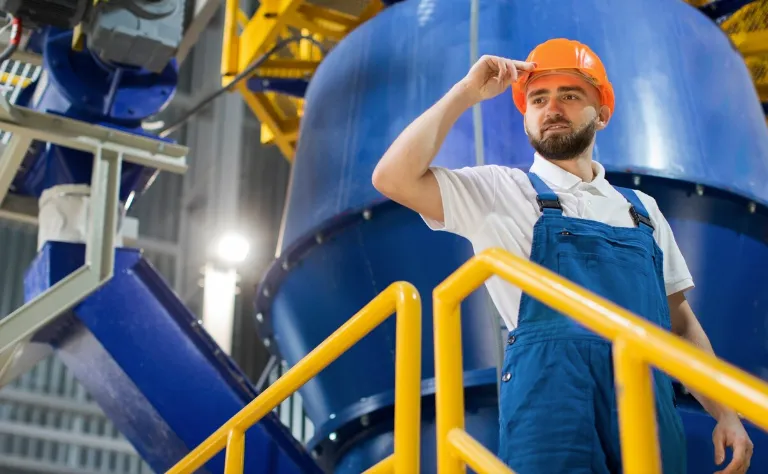
View full course outline

What you will achieve

Learning objectives

  • Define and execute the responsibilities of a Loading Master effectively.
  • Ensure compliance with international safety, operational, and environmental regulations.
  • Supervise terminal operations, including loading and unloading, with precision.
  • Identify, assess, and mitigate risks during terminal operations.
  • Respond to emergency situations with confidence and efficiency.
  • Foster collaboration and effective communication with terminal teams and external partners.

Who should attend

Target audience

  • Loading Masters and terminal supervisors.
  • Marine and terminal operations personnel.
  • Safety officers and environmental specialists.
  • Engineers and technicians working in oil, LNG, gas, and petrochemical terminals.
  • Shipping and logistics professionals responsible for terminal operations.

Complete course outline

Five focused days of learning and application

The timings provided are estimates and may vary depending on the number of participants and the discussions taking place during the sessions. They are indicative only and do not constitute a binding commitment.

Day 1

Overview of Loading Master Responsibilities and Terminal Operations

  1. Role and responsibilities of the Loading Master
  2. Types of terminals: Oil, LNG, gas, and petrochemical
  3. Introduction to cargo handling systems and infrastructure
  4. Coffee break
  5. Introduction to cargo handling systems and infrastructure (continued)
  6. Safety regulations and international standards (e.g., IMO, ISGOTT, SIGTTO)
  7. Terminal communication protocols and stakeholder coordination

Day 2

Loading and Unloading Procedures

  1. Pre-arrival and pre-loading checklists
  2. Cargo compatibility and contamination prevention
  3. Best practices for loading and unloading operations
  4. Coffee break
  5. Best practices for loading and unloading operations (continued)
  6. Monitoring and managing terminal operations
  7. Case studies on operational challenges and solutions

Day 3

Safety, Risk Management, and Emergency Response

  1. Identifying hazards in terminal operations
  2. Risk assessment and mitigation strategies
  3. Emergency response planning and drills
  4. Coffee break
  5. Emergency response planning and drills (continued)
  6. Fire safety and spill prevention techniques
  7. Incident investigation and reporting

Day 4

Environmental Compliance and Sustainability

  1. Environmental impact of terminal operations
  2. Managing air, water, and soil pollution
  3. Adhering to MARPOL and other environmental regulations
  4. Coffee break
  5. Adhering to MARPOL and other environmental regulations (continued)
  6. Sustainable practices in terminal operations
  7. Technology and innovation for greener operations

Day 5

Advanced Operations and Leadership Skills

  1. Navigating complex cargo operations (e.g., LNG and hazardous materials)
  2. Leadership and decision-making for Loading Masters
  3. Effective communication and stakeholder management
  4. Coffee break
  5. Effective communication and stakeholder management (continued)
  6. Continuous improvement in terminal performance
  7. Final assessment and certification ceremony

Ready to book?

Loading Master for Oil, LNG, Gas, and Petrochemical Terminals

Next session: 16 - 20 November 2026, Rome

Course FAQs

Questions about this course

What participants and training managers usually ask before booking Loading Master for Oil, LNG, Gas, and Petrochemical Terminals. Can't find your answer?

WhatsApp
What does Loading Master for Oil, LNG, Gas, and Petrochemical Terminals cover?

This course covers Oil and Gas through a structured five-day outline focused on practical application, discussion, and implementation planning.

When is the next available session?

The next scheduled session starts on 16 - 20 November 2026. See the course schedules section for the available dates and delivery formats.

Who should attend this course?

Loading Masters and terminal supervisors., Marine and terminal operations personnel., Safety officers and environmental specialists.

Is bilingual course delivery available?

Yes. All course materials and presentations are provided in English, while bilingual explanation and discussion support may be available depending on the selected location and trainer availability. For example, when attending a course in Istanbul, you may request a Turkish-speaking trainer to explain the English course content in Turkish. Arabic explanation support may also be requested at this location. Other languages are available in selected cities. You can choose your preferred language support as an optional preference during registration.

How can I register for a session?

Use any Register button next to the available course dates to open the participant registration page and submit your booking request for the selected session.

Is this course available online as well as classroom-based?

Check the course schedules section for currently published classroom and Online / Live sessions.

Where are classroom sessions delivered?

Current classroom venues include Rome, Munich, Barcelona, Cape Town, Frankfurt, Geneva, Paris.

How long is the training programme?

The programme runs for five days from 09:00 to 14:00, which gives 25 contact hours, including a daily 30-minute break (22.5 hours of instruction).